How to Dilute Essential Oils with Coconut Oil: A Complete Guide
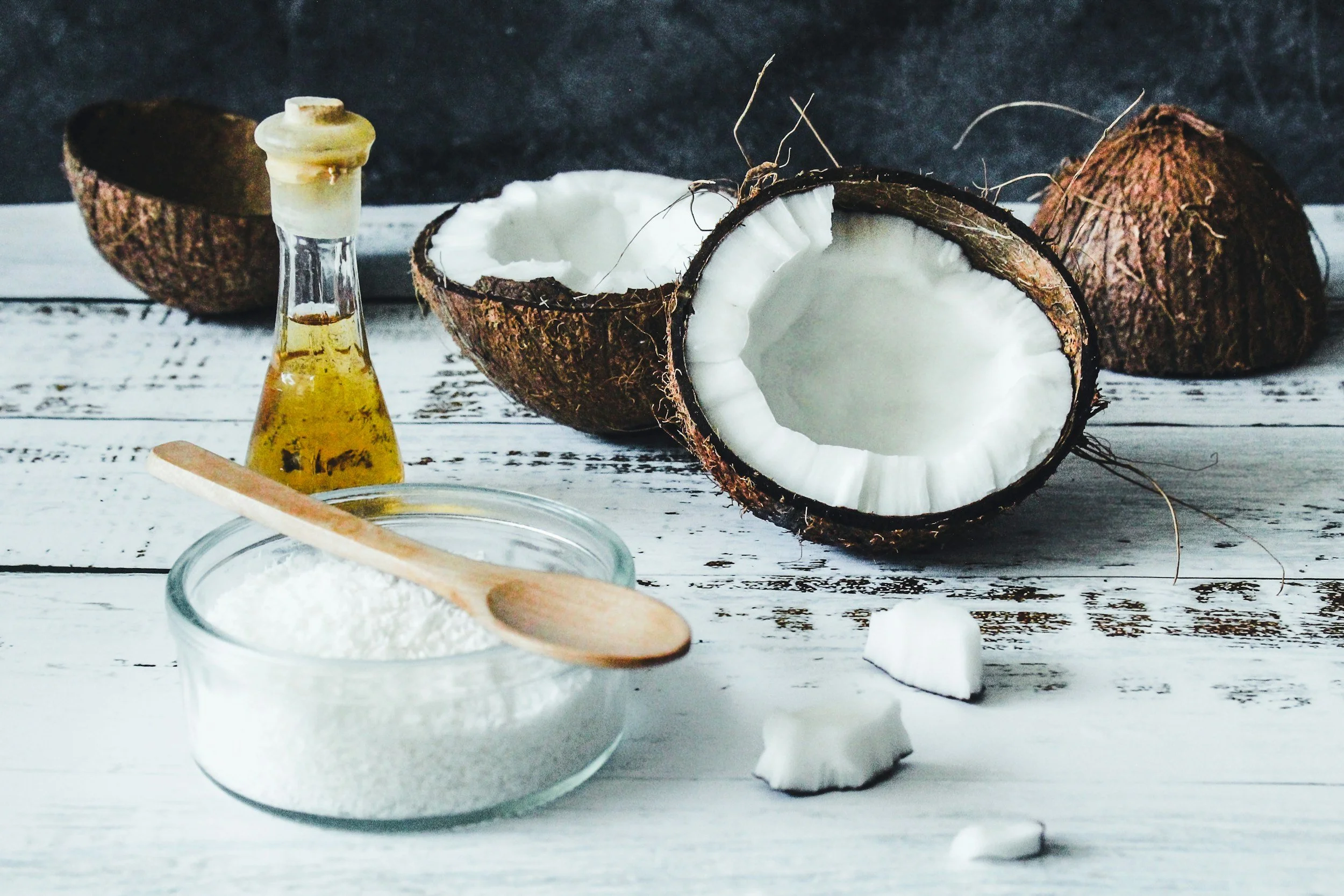
Essential oils have become a staple in natural wellness routines, but using them safely requires proper dilution. Coconut oil makes an excellent carrier oil for essential oils, offering both skin-nourishing benefits and a neutral base for your favorite blends. Whether you’re creating a custom massage oil, a soothing roller blend, or a healing salve, this guide will walk you through everything you need to know about diluting essential oils with coconut oil.
Step 1: Choose Your Coconut Oil
Not all coconut oils are created equal! The type you select depends on how you plan to use your essential oil blend:
Fractionated Coconut Oil (FCO): This is hands-down the most popular choice for essential oil blending, and for good reason. FCO remains liquid at all temperatures, is completely odorless, and absorbs quickly into the skin without leaving a greasy residue. It’s perfect for roller bottles, sprayers, and everyday topical applications.
Virgin or Solid Coconut Oil: If you’re making balms, salves, or luxurious body butters, virgin coconut oil is your best bet. Since it’s solid at room temperature, you’ll need to gently melt it using a double-boiler method before blending in your essential oils. This type also has a light coconut scent, which can complement certain essential oil blends beautifully.
Step 2: Determine the Dilution Ratio
Getting the dilution ratio right is crucial for both safety and effectiveness. Dilution is measured by the number of drops of essential oil per amount of carrier oil. Here are the current standard safety guidelines:
Concentration Essential Oil Coconut Oil Group
0.5% 1 drop 4 teaspoons (20 ml) Infants and toddlers
1% 1 drop 1 teaspoon (5 ml) Sensitive skin, elderly, or daily facial use
2% 2 drops 1 teaspoon (5 ml) General topical use for healthy adults
3% 3 drops 1 teaspoon (5 ml) Temporary concerns like muscle pain
Pro tip: For larger batches, use 10–12 drops of essential oil per 1 ounce (30 ml) of coconut oil for a standard 2% dilution.
Step 3: The Mixing Process
Prepare Your Container: Use a clean glass container or dark-colored glass bottle. Plastic can degrade when in contact with concentrated essential oils.
Measure the Coconut Oil: Start by pouring your desired amount of coconut oil into the container. Always add the carrier oil first—this creates a safe base for your essential oils.
Add Essential Oil: Carefully add the recommended number of drops. If you are mixing different essential oils, ensure the total number of drops matches your target dilution ratio.
Mix Thoroughly: Give your container a good shake or stir until the oils are completely blended. You want an even distribution throughout.
Conduct a Patch Test: Before applying to a large area, apply a small amount of the mixture to your inner forearm and wait 24 hours to check for any adverse reactions.
Store Properly: Keep your blend in a cool, dark place away from direct sunlight to prevent the oils from oxidizing and losing potency. A bathroom cabinet or bedroom drawer works perfectly.
Final Thoughts
Diluting essential oils with coconut oil is simple once you understand the basics. By choosing the right type of coconut oil, following safe dilution ratios, and mixing carefully, you can create custom blends that are both effective and safe for everyday use. Whether you’re crafting a calming lavender roller for bedtime or a refreshing peppermint massage oil, proper dilution ensures you get all the benefits of essential oils without the risks. Happy blending!