Frankincense Oil: What Science Tells Us
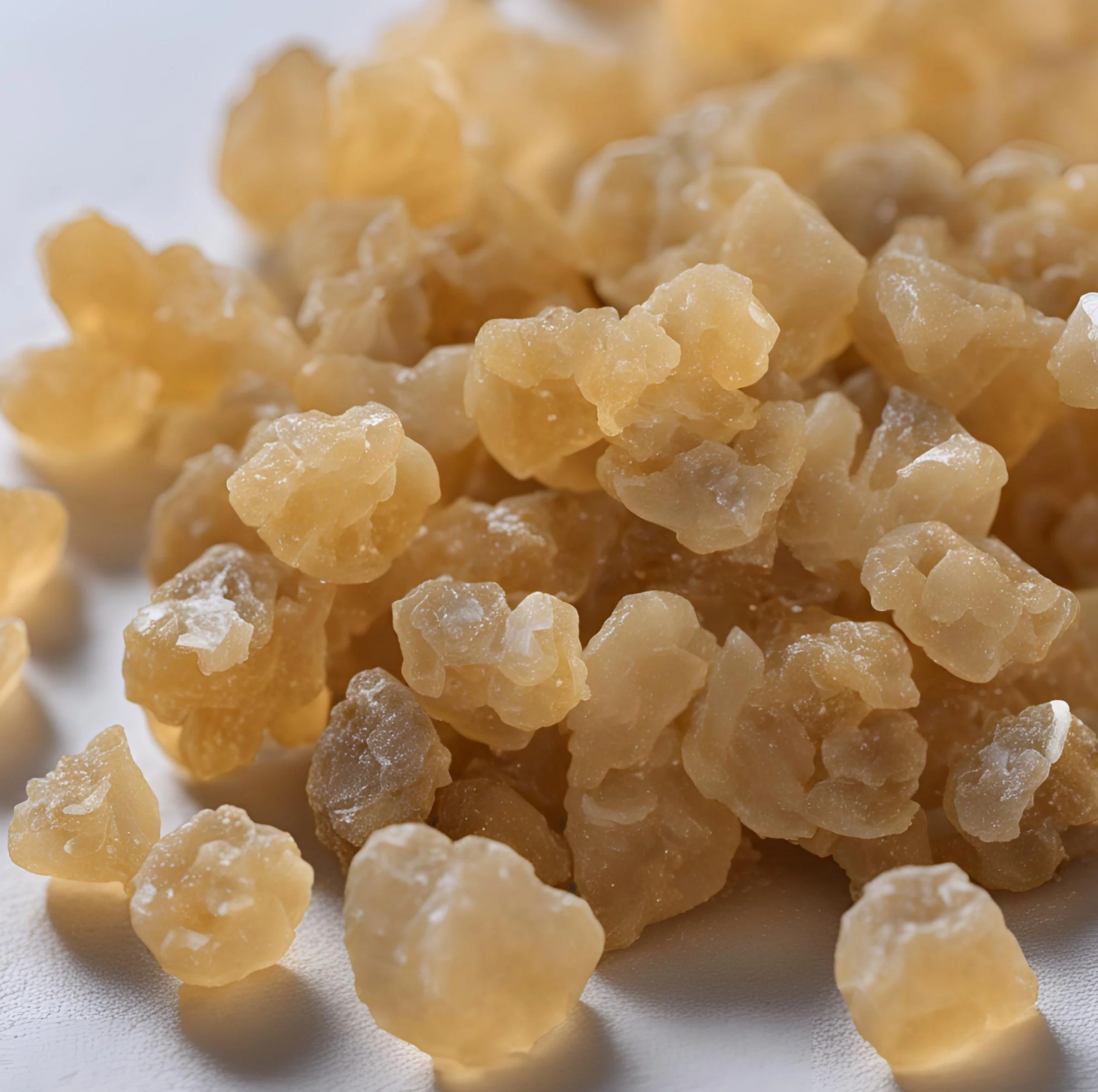
Frankincense has been treasured for thousands of years, but modern research is finally catching up to ancient wisdom. Scientists are discovering that frankincense essential oil—derived from various Boswellia species—may offer remarkable therapeutic benefits, from fighting cancer to reducing pain and inflammation. Let’s explore what the latest research reveals about this ancient remedy.
Frankincense and Cancer: A Promising Avenue
Cancer is the most studied area for frankincense. Research suggests it might work alongside or instead of traditional cancer treatments. While many studies focus on boswellic acid (found in the resin, not the oil), essential oils have also been tested for their ability to inhibit cancer cell growth. Human breast cancer (MCF-7) and skin cancer (HS-1) cell lines have shown increased sensitivity to frankincense essential oil, with the mechanism believed to involve inducing apoptosis—essentially causing cancer cells to self-destruct (1). A commercial frankincense essential oil (thought to be from B. carterii) was selectively cytotoxic to J82 human bladder cancer cells (2,3). In laboratory studies, Boswellia sacra essential oil induced tumor cell-specific apoptosis and suppressed tumor aggressiveness (cellular network formation and disruption of spheroid development) in human breast cancer cells (4). In one remarkable case report, topical application of Boswellia sacra essential oil was effective in managing basal cell carcinoma of the skin (5).
Alpha-pinene, a primary constituent of frankincense oil, has shown particularly intriguing results. Several laboratory and animal studies have isolated this compound and investigated its effects on various cancer cells’ growth (1-3). In one animal study examining environmental influences on tumor growth, enriching the environment with alpha-pinene resulted in significantly decreased tumor volume (2). In another study, mice with metastatic melanoma were injected with alpha-pinene, and the test group showed fewer lung tumor nodules (3).
Other laboratory studies have found that essential oils from various Boswellia species induced the death of human pancreatic and brain cancer cells (4, 5). Remarkably, three studies found that essential oils of Boswellia serrata, B. carterii, and B. sacra showed similar cytotoxic activity as commonly used chemotherapy drugs (6-8). A comparative study found that Boswellia carterii essential oil triggered human bladder cancer J82 cell death via NRF-2-mediated oxidative stress (9). The research strongly suggests that essential oils distilled from the common Boswellia species have anti-proliferative and pro-apoptotic activity on several types of cancer cells. However, further study is necessary to discover how they can be best used for anti-cancer therapy.
Pain Relief
The use of natural products as alternatives to pain medication has been gaining significant attention within the research community. Frankincense has a long history of use as an analgesic, and contemporary research is beginning to uncover the mechanisms behind this property.
Much of the research into the analgesic benefits of Boswellia species essential oils revolves around alpha-pinene, the primary chemical constituent. Alpha-pinene has been shown to inhibit pro-inflammatory processes by inhibiting 5-lipoxygenase, an enzyme directly linked to inflammation—this is believed to be one of the factors behind its revered analgesic properties (10). Another study found that alpha-pinene’s pain-reducing benefits may result from its ability to inhibit nociceptive stimulus-induced inflammatory infiltrates and COX-2 overexpression (11). One study even likened the palliative effect of alpha-pinene to that of morphine (12). In an animal study, Boswellia sacra showed similar pain inhibition ability in the acetic acid writhing test as aspirin (13). More importantly, in a randomized, double-blind, placebo-controlled human study, ingestion of Boswellia serrata capsules was shown to significantly increase pain threshold and pain tolerance (14). There is a growing body of evidence to validate the traditional use of Boswellia species as an analgesic.
Reducing Inflammation
Research using animal models has shown that Boswellia essential oils may be effective treatments for various chronic inflammatory diseases. All four common Boswellia species have been examined for their effects on markers of inflammation and their potential to treat related conditions such as arthritis, colitis, gout, tendonitis, and irritable bowel disease (15-18). While most research studies have focused on boswellic acid, several studies have tested the essential oils. In one study, frankincense reduced inflammation in human blood cells by blocking inflammatory proteins.
Laboratory studies showed that when isolated, alpha-pinene can reduce the expression of pro-inflammatory cytokines (20). Another study found that alpha-pinene inhibits the nuclear translocation of NF-kappa B induced by LPS in THP-1 cells, explaining its benefits in treating upper and lower airway diseases (21). Boswellia serrata has also been shown to have an anti-inflammatory effect by counteracting increases in reactive oxygen species and helping maintain the integrity and function of the intestinal epithelium, offering potential for treating inflammatory bowel diseases (22).
Fighting Germs
Boswellia species essential oils may exhibit antimicrobial and antifungal activity against various pathogens, with a range of possible health and agricultural applications. One study found that various combinations of Boswellia species and myrrh essential oil had inhibitory effects on Cryptococcus neoformans and Pseudomonas aeruginosa (23). One study found frankincense oil stopped E. coli and staph bacteria. It also works well as a food preservative.
Immune System Support
Recent research shows alpha-pinene may boost the immune system by increasing T-cell activity. Two studies found that exposure to alpha-pinene increased immune cell activity and reduced stress hormone levels. More research is needed to understand how this works.
The Bottom Line
Frankincense essential oil shows promise for cancer treatment, pain relief, reducing inflammation, and fighting germs. Most research is still early—done in labs or on animals—but the results are promising. As scientists continue studying frankincense, we may find even more health benefits.
NOTE: As with any natural remedy, it’s important to consult with healthcare professionals before using frankincense essential oil for therapeutic purposes, especially for serious conditions like cancer or chronic pain. The research is encouraging, but we’re still learning how to best harness frankincense’s therapeutic potential.
References:
1. Chen W, et al. J Pharmacol Sci. 2015; 127(3):332-8.
2. Kusuhara M, et al. Biomed Res. 2012; 33(1):57-61.
3. Matsuo A, et al. Biochem Biophys Res Commun. 2011; 411(2):449-54.
4. Kirste S, et al. Cancer. 2011; 117(16):3788–3795.
5. Ni X, et al. BMC Complement Altern Med. 2012; 12:253.
6. Ahmed H, Abd-Rabou A, Hassan A, Kotob S. Asian Pac J Cancer Prev. 2015; 16(16):7179-88.
7. Frank M, et al. BMC Complement Altern Med. 2009; 9: 6.
8. Suhail M, et al. BMC Complement Altern Med. 2011; 11:129.
9. Dozmorov M, et al. Chin Med. 2014; 9:18.
10. Basch E, et al. J Herb Pharmacother. 2004; 4:63–83.
11. Li X, et al. J Ethnopharmacol. 2016; 179:22-6.
12. Him A, et al. Pharmacologyonline. 2008; 3:363–369.
13. Al-Harrasi A, et al. Asian Pac J Trop Med. 2014; 7S1:S485-90.
14. Prabhavathi K, et al. Indian J Pharmacol. 2014; 46(5):475-9.
15. Moussaieffa A, Mechoulamb R. J Pharm Pharmacol. 2009; 61: 1281–1293.
16. Siddiqui MZ. Indian J Pharm Sci. 2011; 73:255–261.
17. Gupta I, et al. Planta Med. 2011; 67:391–395.
18. Madisch A, et al. Int J Colorectal Dis. 2007; 22:1445–1451.
19. Gayathri B, et al. Int Immunopharmacol. 2007; 7:473–82.
20. Choi I, et al. Free Radical Res. 2010; 44(5):541-551.
21. Zhou J, et al. Acta Pharmacol Sin. 2004; 25(4):480-4.
22. Catanzaro D, et al. PLoS One. 2015; 10(5): e0125375.
23. De Rapper S, et al. Lett Appl Microbiol. 2012; 54(4):352-8.
24. Camarda L, et al. Ann Chim. 2007; 97(9):837-44.
25. Prakash B, et al. Food Science and Technology. 2014; 56: 240-247.
26. Li Q, et al. J Biol Regul Homeost Agents. 2010; 24(2):157-165.
27. Li Q, et al. Int J Immunopathol Pharmacol. 2009; 22(4):951-959.