Beyond Essential Oils: The Hidden Treasures of Plant Extracts
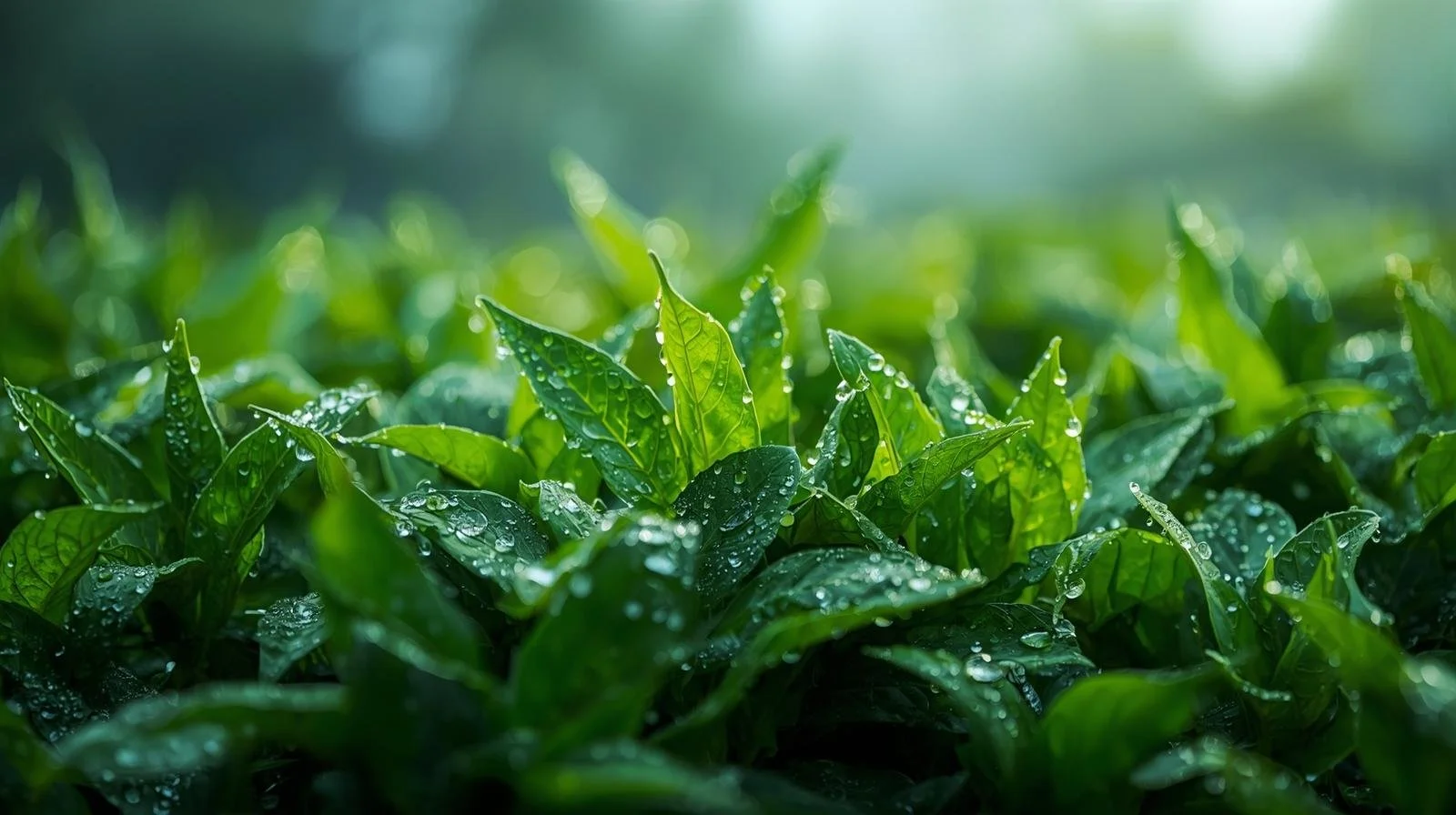
You know what’s wild? Right now, you’re probably wearing something made from plants, sitting on something made from plants, and you’ve definitely consumed at least three different plant extracts today—and I’m not talking about your salad.
We tend to think of plant extracts as those little bottles of lavender oil at the spa. But that’s like thinking the internet is just email. Plants are basically nature’s chemical laboratories, cranking out thousands of compounds we use every single day.
Let me show you what I mean.
Your Morning Routine Is a Plant Chemistry Experiment
That coffee you’re drinking? Caffeine —a plant alkaloid that’s basically a socially acceptable drug we’re all addicted to. The sugar or stevia you added? Plant extract. The cream? Okay, that’s from a cow, but the cow ate plants, so I’m counting it.
Your toast with jam? The pectin that makes the jam gel comes from apple and citrus peels. The vanilla extract in your yogurt? Vanilla beans soaked in alcohol. Even the gum arabic stabilizing your protein shake comes from Acacia trees.
... and we haven’t even left the kitchen yet.
The Medicine Cabinet: Where Plants Get Serious
Here’s where it gets really interesting. That aspirin you take for headaches? It started as **salicin** from willow bark. People have been chewing on willow bark for pain relief for literally thousands of years before Bayer figured out how to synthesize it.
Morphine from poppies remains one of the most powerful pain relievers in modern medicine. Quinine from cinchona bark changed the course of history by making it possible to treat malaria. Taxanes from the Pacific Yew tree (which loggers used to consider worthless) now save lives as chemotherapy drugs.
Even digoxin, used to treat heart failure, comes from the gorgeous but deadly Foxglove plant. The dose makes the poison, as they say.
The Stuff That Built the Modern World
Your blue jeans? Indigo dye from plants. The tires on your car? Natural rubber latex tapped from Hevea brasiliensis trees. That leather jacket? Processed using tannins from tree bark (which is literally where the word “tanning” comes from).
Before synthetic dyes took over, every color in every fabric came from plants. Henna for reddish-browns. Anthocyanins from berries for purples and reds. These natural dyes are making a comeback as people look for more sustainable options.
Even your eco-friendly laundry detergent probably contains saponins from soapberries—nature’s original soap that creates a natural lather.
The Flavor Bombs
Let’s talk about vanilla for a second. It’s the second most expensive spice in the world (after saffron), and for good reason. Real vanilla extract—made by soaking vanilla bean pods in alcohol—has a complex flavor profile that synthetic vanillin just can’t match.
and capsaicin? That’s the compound that makes hot peppers hot. We extract it, concentrate it, and add it to everything from hot sauce to pain relief creams. Yes, the same compound that burns your mouth can also soothe your aching muscles. Science is weird!
So What?
The next time you reach for that morning coffee, spread jam on your toast, or take an aspirin for a headache, remember: you’re benefiting from humanity’s ancient relationship with plant chemistry. Essential oils may get the glory, but these other plant extracts are the unsung heroes quietly supporting modern life.
From medicine to manufacturing, from food to fashion, plants continue to be our most versatile and sustainable source of complex compounds. And we’ve likely only scratched the surface of what they have to offer.
What’s your favorite plant extract you never realized was a plant extract? Let me know in the comments.